Understanding Gas and Bloating: Key Insights
Understanding Gas and Bloating: What You Need to Know
Experiencing gas and bloating after meals can be more than just an uncomfortable nuisance—it can also signal an underlying issue in your digestive system. In this blog post, we’ll explore why gas and bloating occur, common food intolerances, and how to track your symptoms for better digestive health.
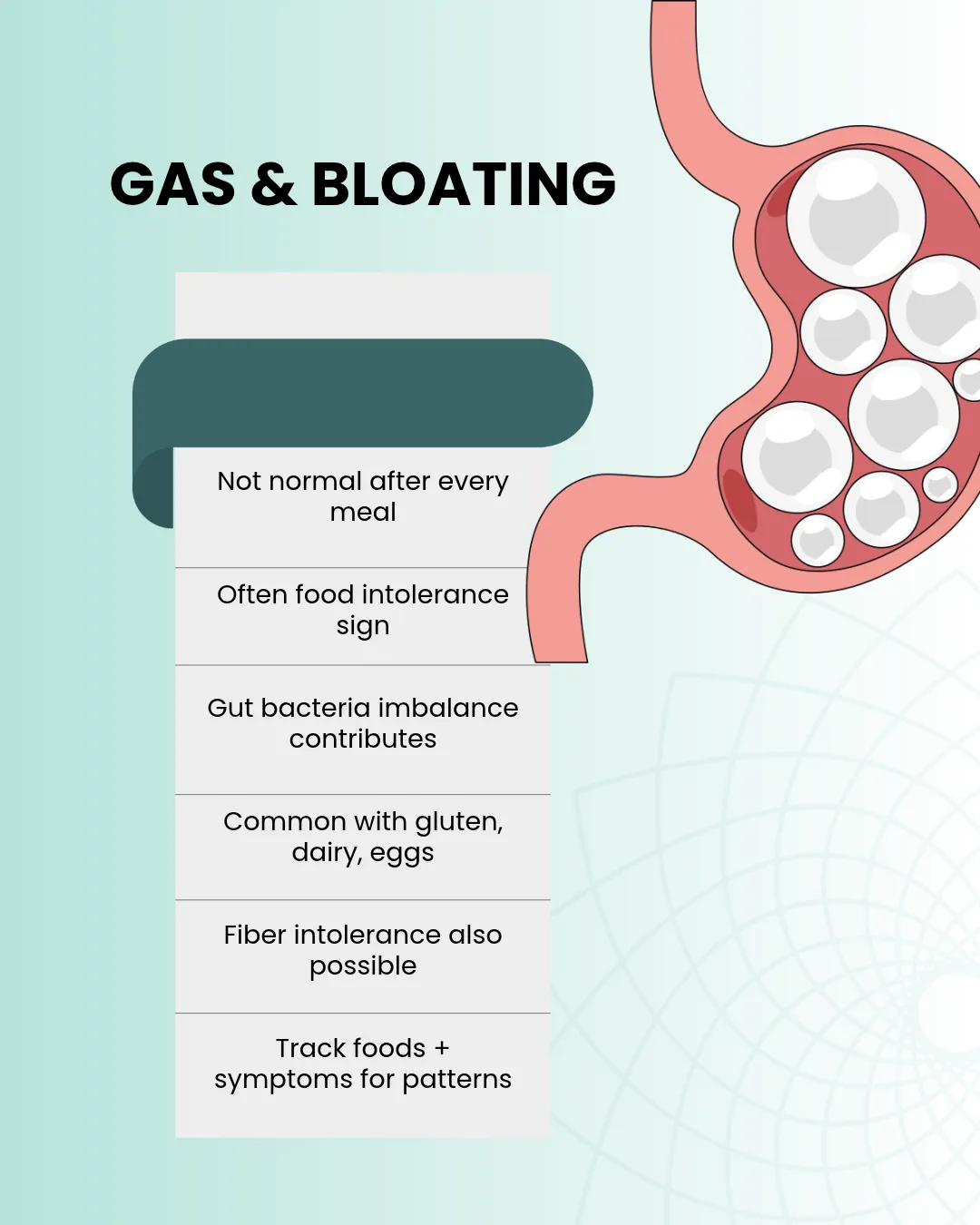
Why Gas and Bloating Aren't Normal
It’s not uncommon to feel a little full after a large meal, but persistent gas and bloating after eating is not typical. Let's break down some possible reasons:
- Food Intolerance: This is one common cause of frequent gas and bloating. Certain foods may not be digested well by your body, leading to the uncomfortable feeling.
- Gut Bacteria Imbalance: Our gut contains a community of bacteria essential for digestion. When this balance is off, it can lead to excess gas production.
Common Food Culprits
Identifying foods that contribute to gas and bloating is crucial in managing your symptoms. Here are some to watch out for:
- Gluten: Found in wheat, barley, and rye, gluten is a protein that not everyone can digest well, which may lead to bloating.
- Dairy: This includes milk-based products such as cheese and yogurt. Lactose, a sugar in milk, can cause issues for many people.
- Eggs: Though packed with protein, eggs can sometimes be hard to digest for certain individuals.
- Fiber-Rich Foods: While fiber is healthy, some may find it causes discomfort when their body isn’t used to high amounts.
Tracking Symptoms
Tracking what you eat and how it makes you feel can uncover patterns and help you identify problem foods. Here’s how you can start:
- Food Diary: Keep a record of everything you eat alongside any symptoms that occur.
- Note the Time: Record when you eat and when symptoms start to pinpoint likely culprits.
- Be Consistent: Regular tracking over several weeks provides more useful information.
Next Steps Towards Better Digestion
After identifying the foods that cause your symptoms, consider these steps:
- Elimination Diet: Temporarily remove suspected foods from your diet to see if symptoms improve.
- Consult a Professional: A health practitioner can offer personalized advice based on your experience.
- Gut Health Supplements: Consider probiotics or digestive enzymes to help support a healthy gut.
Conclusion
Gas and bloating can be more than just temporary discomfort. By understanding and identifying food intolerances and digestive imbalances, you can take steps toward improved health and comfort. Remember, a mindful and proactive approach can greatly enhance your well-being.