How Diet Affects Your Mood Daily
The Connection Between Mood Swings and Food Choices
Mood swings can be frustrating, not just for those experiencing them but also for those around them. Understanding the relationship between what we eat and how we feel is important for maintaining emotional stability. Let’s explore how different foods can impact our mood, and how making conscious choices in our diet can lead to a happier and more balanced life.
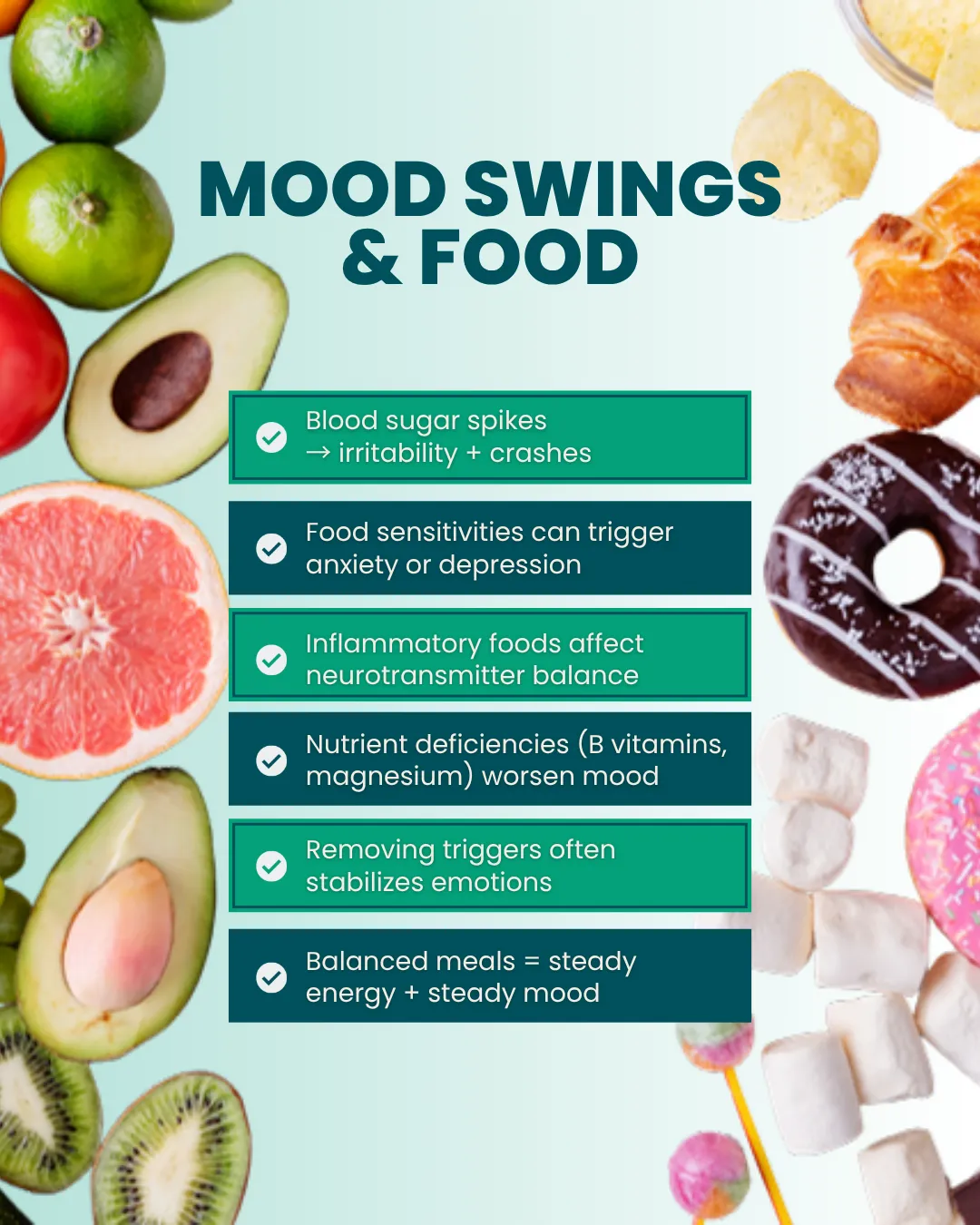
1. Blood Sugar Spikes: A Rollercoaster for Your Mood
One major factor contributing to mood swings is blood sugar levels. When we consume foods high in sugar, our blood sugar spikes quickly. This sudden increase can lead to irritability and crashes soon after. To avoid this, consider the following tips:
- **Choose whole grains** over refined grains.
- Eat **small, frequent meals** to keep energy levels steady.
- Include **fiber-rich foods** like fruits, vegetables, and legumes in your diet.
2. Food Sensitivities: Hidden Emotional Triggers
Some people may experience anxiety or depression due to food sensitivities. While not everyone is affected, it's important to pay attention to how certain foods make you feel. Identifying and eliminating these foods can help stabilize your emotions.
- Keep a **food diary** to track symptoms and identify patterns.
- Consider consulting with a nutritionist for personalized advice.
3. Inflammatory Foods and Neurotransmitter Balance
Inflammatory foods can negatively affect neurotransmitters, which are chemicals in the brain that regulate mood. Foods to be cautious about include:
- Processed and packaged foods.
- Foods high in saturated fats.
- Artificial additives and preservatives.
4. Nutrient Deficiencies: The Mood's Quiet Saboteurs
Deficiencies in essential nutrients like B vitamins and magnesium can worsen mood swings. Incorporating a variety of nutrient-dense foods into your diet can support mental health:
- **B Vitamins:** Found in eggs, green vegetables, beans, and nuts.
- **Magnesium:** Present in seeds, whole grains, and leafy greens.
5. Removing Triggers for Emotional Stability
By identifying and removing food triggers, many people find that their emotions become more stable. Here are some tips:
- Conduct an **elimination diet** to pinpoint specific triggers.
- Gradually reintroduce foods to monitor their impact.
6. Balanced Meals: The Key to Steady Mood and Energy
Eating balanced meals is crucial for maintaining both energy levels and mood stability throughout the day. Aim for:
- A good mix of proteins, carbohydrates, and fats.
- Avoidance of excessive caffeine and alcohol.
- Inclusion of plenty of fruits, vegetables, and water.
By understanding and making small changes to your diet, you can significantly influence how you feel each day. Focusing on wholesome, natural foods while being mindful of potential sensitivities and deficiencies can lead to a more balanced mood and a healthier, happier lifestyle.