Why Self-Care Should Be Your Top Priority
The Importance of Putting Self-Care First
In a world that often demands more than we can give, self-care becomes not just a luxury but a necessity. The concept of self-care involves taking the time to nourish ourselves in ways that foster well-being, emotional resilience, and personal growth. Let's explore why self-care should be at the forefront of your daily routine.
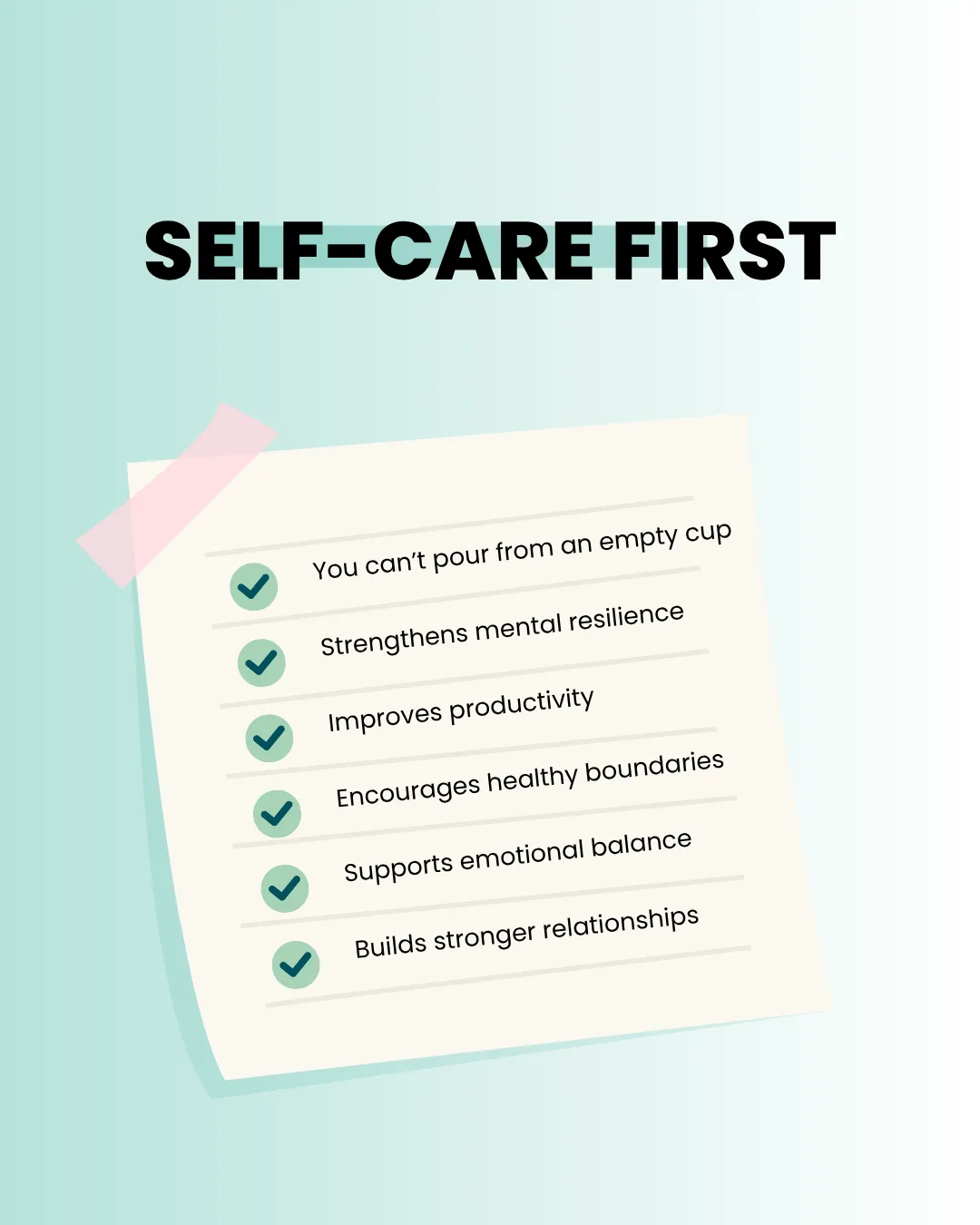
1. You Can't Pour from an Empty Cup
Imagine trying to help others when you're completely drained. Just like a cup that's empty, you need replenishing to give your best to those around you. By prioritizing self-care, you ensure that your physical, emotional, and mental resources are well-maintained.
2. Strengthens Mental Resilience
The mind is a powerful tool but it needs rest. When you regularly engage in self-care activities like meditation, reading, or simple relaxation, you strengthen your mental resilience. This empowers you to face life's challenges with a balanced and grounded mindset.
3. Improves Productivity
Self-care isn't just about rest; it's about preparation. By taking care of yourself, you enhance your focus, creativity, and productivity. When you're well-rested and nurtured, you'll find that tasks become more manageable and less stressful.
4. Encourages Healthy Boundaries
Establishing boundaries is crucial for mental health. Self-care allows you to recognize and respect your limits. By saying “no” when necessary, you protect your time and energy, ensuring that you only engage in activities that align with your well-being.
5. Supports Emotional Balance
Engaging in self-care can help regulate your emotions, reducing feelings of anxiety and depression. Activities like journaling, exercising, or spending time in nature can significantly boost your mood and improve overall emotional health.
6. Builds Stronger Relationships
When you take care of yourself, you're better equipped to care for others. Self-care fosters patience, empathy, and understanding, which are essential ingredients for healthy relationships. You'll find that taking time for yourself can improve communication and connection with loved ones.
Practical Tips for Effective Self-Care
- Schedule Regular Downtime: Set aside time each week for activities that relax and rejuvenate you.
- Exercise Regularly: Physical activity is a great way to reduce stress and promote health.
- Prioritize Sleep: Make sure you get sufficient rest each night to recharge your body and mind.
- Connect with Loved Ones: Spend meaningful time with friends and family to foster connections.
- Seek Professional Help: If you're struggling, talking to a therapist can provide valuable support and guidance.
Remember, self-care is not selfish; it's essential. By taking the time to nurture yourself, you can lead a more balanced, fulfilled, and happy life.